These two words get used almost interchangeably in flooring showrooms and product listings, but they describe genuinely different levels of protection — and picking the wrong one for a wet-prone room is one of the most common, most expensive flooring mistakes homeowners make.
Quick Answer: Water-resistant flooring can handle small spills and brief moisture exposure without damage, as long as it’s wiped up reasonably quickly — but prolonged exposure can still cause the core material to swell, warp, or discolor. Waterproof flooring is built to withstand standing water and extended exposure without damage to its core, making it suitable for consistently wet areas. A useful way to think about it: water-resistant flooring is like a rain jacket in a light drizzle, while waterproof flooring is like a diving suit that keeps you dry even fully submerged.
Here’s what actually separates the two at a material level, and which one belongs in which room.
What Water-Resistant Flooring Actually Means
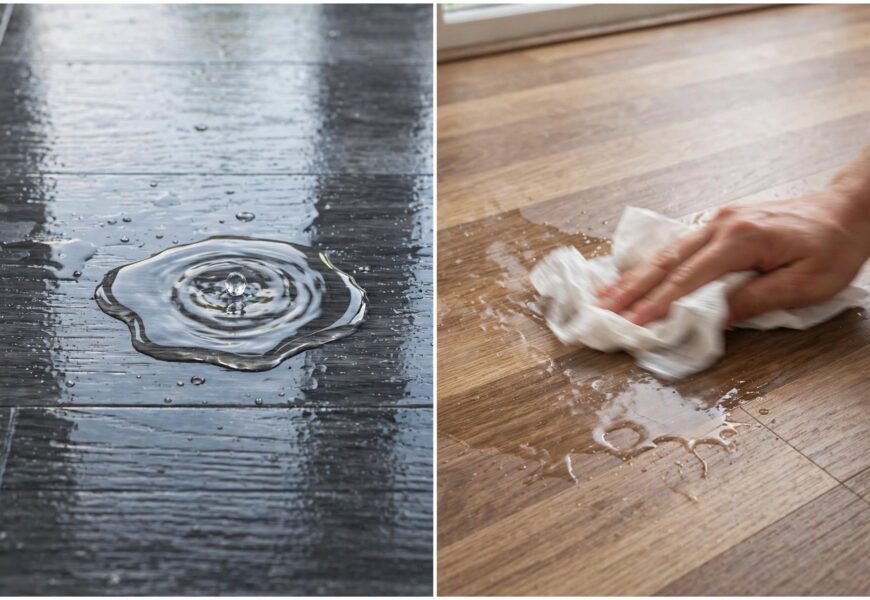
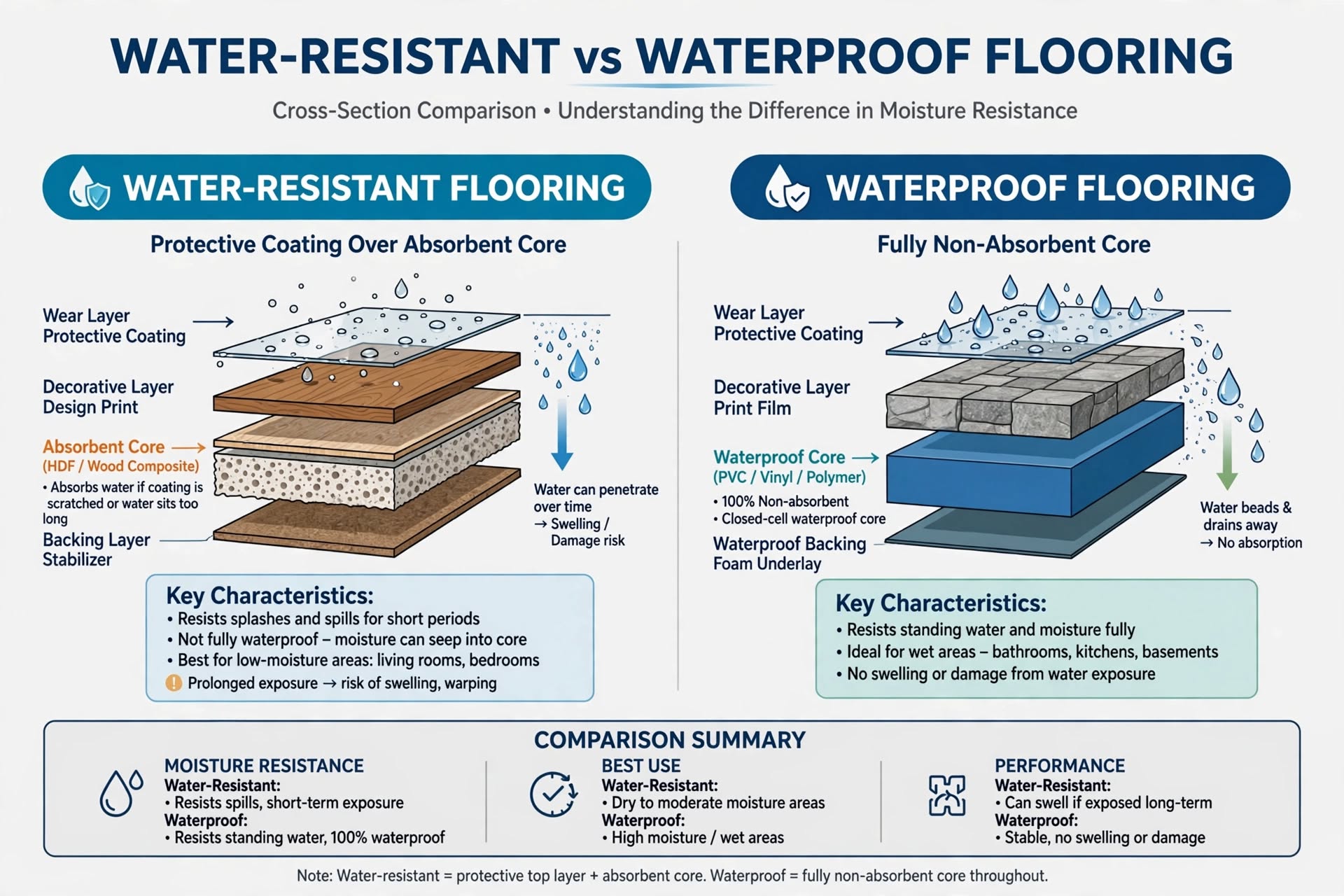
Water-resistant flooring typically has a protective surface layer or coating that repels moisture and keeps it from immediately soaking into the material underneath. This works well for everyday, brief exposure — a dropped glass of water, a quick kitchen spill — as long as it’s cleaned up in a reasonable amount of time.
The vulnerability shows up with prolonged or repeated exposure:
- Water sitting on a seam too long can seep into the material’s edges, even if the surface itself resisted the spill initially.
- Moisture reaching the core material (common in laminate and some engineered wood products) can cause swelling, warping, or a permanent change in shape that doesn’t reverse once the material dries.
- Common water-resistant flooring types include treated hardwood, some engineered wood, and many laminate products.
What Waterproof Flooring Actually Means
Waterproof flooring is engineered so that water can’t penetrate through to the core material at all — not on the surface, and not through the seams — even under standing water or extended exposure.
- The core is typically made from a completely non-absorbent material, like stone-plastic composite (SPC) or dense luxury vinyl, rather than a wood-based product with a protective coating.
- Common waterproof flooring options include luxury vinyl plank (LVP) and tile (LVT), porcelain tile, vinyl sheet flooring, and increasingly, specially engineered waterproof hardwood with sealed cores and penetrating treatments.
- Because the core material itself won’t absorb water, waterproof flooring can handle standing water, flooding, and repeated exposure without warping or losing structural integrity.
If you’re specifically comparing two of the most common flooring types in this conversation, our guide on the difference between vinyl and laminate flooring covers exactly how their water resistance compares in more detail.
Tile’s mortar and backer board layers typically make it sit higher than hardwood, which is the core challenge in any transition.
Water-Resistant vs. Waterproof: Full Comparison
| Factor | Water-Resistant | Waterproof |
|---|---|---|
| Handles quick spills | Yes, if cleaned up promptly | Yes |
| Handles standing water | No — risks core damage | Yes |
| Common materials | Treated hardwood, engineered wood, some laminate | LVP/LVT, SPC vinyl, porcelain tile, sealed waterproof hardwood |
| Cost | Generally lower | Generally higher |
| Best rooms | Bedrooms, living rooms, home offices | Bathrooms, kitchens, laundry rooms, basements, mudrooms |
| Risk if misused | Swelling, warping, discoloration | Minimal, if properly installed and sealed at the edges |
The Important Caveat Even Waterproof Flooring Has
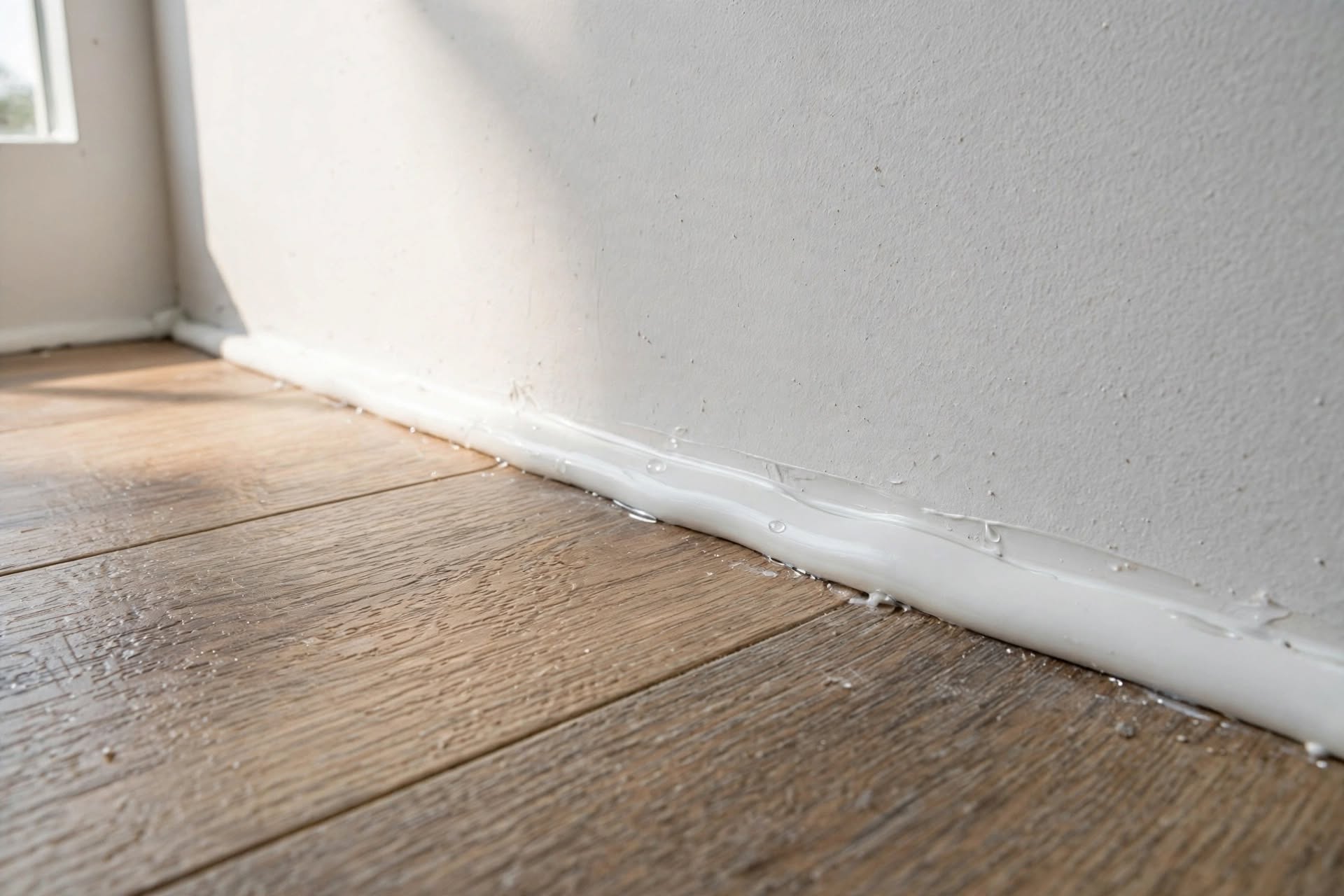
This is the part most product marketing leaves out: “waterproof flooring” doesn’t mean a waterproof room. Even with a fully non-absorbent core material, water can still find its way underneath the flooring through unsealed edges, gaps at the walls, or improperly sealed seams — and once it’s underneath, it can cause the same kind of subfloor damage regardless of how waterproof the flooring itself is.
According to Urban Surfaces’ technical guidance, installing waterproof flooring never actually makes a room waterproof — only the flooring material itself resists water, and proper edge sealing and installation practices still matter enormously for the overall space to perform as expected.
It’s also worth knowing that the flooring industry’s use of “waterproof” isn’t governed by a strict, universally regulated standard. As Green Building Supply notes, the term functions similarly to how watches are marketed as “waterproof” despite having real depth and pressure limitations — most flooring products labeled waterproof still carry specific limitations and warranty exclusions worth reading closely before assuming unlimited protection.
A metal transition strip bridges the height gap between hardwood and tile, which is especially useful at doorways.
Which One Do You Actually Need?
- Bathrooms, kitchens, laundry rooms, basements, mudrooms: Choose waterproof flooring. These rooms deal with regular moisture, spills, humidity, or the real possibility of standing water, and water-resistant flooring isn’t built to withstand that consistently. Our guide on good bathroom floor materials covers specific waterproof options suited to that room.
- Bedrooms, living rooms, home offices: Water-resistant flooring is generally sufficient and more budget-friendly, since these rooms only face occasional, low-risk spills that can be cleaned up quickly.
- Entryways and dining rooms: These sit in a middle ground — moderate spill risk from tracked-in weather or dropped food and drinks — where either option can work depending on your household’s specific habits and budget.
If you’re deciding on a specific waterproof flooring format for one of these rooms, our guide on luxury vinyl plank vs. luxury vinyl tile breaks down two of the most popular waterproof options in more detail.
How to Verify a Product’s Real Claims
- Check the warranty language, not just the marketing label — many “waterproof” warranties specifically exclude damage from standing water left for extended periods or improperly sealed installations.
- Ask about the core material directly — SPC, dense luxury vinyl, and porcelain are reliably non-absorbent, while wood-based cores (even treated ones) always carry some risk under prolonged exposure.
- Confirm installation requirements for maintaining the waterproof rating, since some products require specific adhesives, sealants, or professional installation to keep their full protection valid.
Frequently Asked Questions
Is laminate flooring waterproof or water-resistant?
Most laminate flooring is water-resistant, not waterproof. Its core is typically wood-fiber based, which can swell or warp if exposed to standing water for an extended period, even with a protective surface coating.
What flooring is actually waterproof? Luxury vinyl plank (LVP) and tile (LVT), stone-plastic composite (SPC) vinyl, porcelain tile, and vinyl sheet flooring are commonly considered genuinely waterproof, since their core materials don’t absorb water.
Can water-resistant flooring be used in a bathroom?
It’s not recommended as a primary choice. Bathrooms involve regular, sometimes prolonged moisture exposure that water-resistant flooring isn’t designed to withstand long-term, making waterproof flooring the safer choice for that room.
Does waterproof flooring mean my whole room is protected from water damage?
No. Waterproof flooring resists water at the material level, but water can still cause damage if it seeps underneath through unsealed edges, gaps, or seams, so proper installation and sealing still matter.
Is waterproof flooring more expensive than water-resistant flooring?
Generally, yes. Waterproof flooring’s non-absorbent core materials and manufacturing typically cost more than water-resistant options, though the added protection is often worth it in consistently wet or high-risk rooms.
Choosing flooring for a specific room? Explore our guides on vinyl vs. laminate flooring and good bathroom floor materials, or browse more flooring guides on Ayaan Home Decor.
Last modified: September 13, 2026